We know the first step to lawful construction in the city is a sanctioned building plan. Getting building plan approval within BBMP limits stops problems with zoning, setbacks, FAR and height rules.
We will guide you through the simple path: hire a licensed architect, prepare documents like Khata and tax receipts, and submit the plan via OBPAS or Nambike Nakshe. You can track progress on the Sakala portal.
Typical fee heads include application and scrutiny charges, development and betterment where applicable, and a statutory 1% labor cess on the estimate. For many small budget projects in Bangalore, plan approval costs vary roughly between ₹25,000 and ₹75,000; larger projects rise accordingly.
We aim to set expectations so your dream home is lawful and livable from day one.
Understanding BBMP Building Plan Approval for Small Homes
A verified building plan is the legal foundation for any residential build inside city limits. We guide owners through what the city expects so the project moves smoothly.
Why this matters: city regulations require licensed architects or engineers to prepare and submit plans. Without proper plan approval you risk stop-work notices, fines, and later issues with utilities or title transfers.
How bylaws shape your site
Zoning decides whether a site can host a residence and what uses are allowed. Setbacks set the distance from boundaries and affect daylight, ventilation, and fire safety.
- FAR caps total built-up area and shapes realistic layouts on compact plots.
- Buildings over 15 m or with double basements go to the Head Office for extra scrutiny.
- Early compliance saves redesign time, cost, and schedule risk.
| Control | Purpose | Impact on Design | When Reviewed |
|---|---|---|---|
| Zoning | Land use fit | Permitted use, density | Initial submission |
| Setbacks | Safety & light | Buildable footprint | Plan scrutiny |
| FAR & Height | Control massing | Floors allowed, area | Technical review |
Are You Within BBMP, BDA, or Other Authorities?
Start by checking which authority has jurisdiction over your property. That step prevents wasted time and wrong submissions.
We show how to confirm whether a plot falls under bbmp, BDA, BMRDA, BIAPPA, BMICAPA, or STRR. Use RMP maps and the city’s GIS layers to validate zoning and land use quickly.
Approved layouts such as BMRDA or BIAPPA listings protect registration, utility connections, and resale value. Corridor authorities may add road-widening rules that affect building placement and setbacks.
- Use master plan and GIS checks to verify jurisdiction and road width.
- Confirm clear title and absence of encroachments before you apply.
- Select the correct submission portal based on the identified authority to avoid rework.
| Authority | Typical Coverage | Key Constraints | Effect on Development |
|---|---|---|---|
| BBMP | City municipal limits | Local setbacks, service connections | Standard submission portals and fees |
| BDA / BMRDA | Planned layouts and extensions | Layout-specific zoning rules | Ensures utility links and legal registration |
| BMICAPA / STRR | Corridor and ring-road zones | Alignment, road widening, easements | May reduce buildable area and change FAR |
| BIAPPA | Special approved layouts | Strict layout approval checks | Boosts long-term marketability |
bbmp approval fees small house bangalore
Understanding cost heads helps you set a realistic budget before you submit your plan.
We outline every payable item so you know what to expect. Typical heads include application and scrutiny, development charges, betterment where applicable, and a statutory 1% labor cess on the estimated construction value.
Smaller plots usually attract lower development and scrutiny charges, keeping total cost toward the lower band. Converting land use or regularizing a layout can trigger betterment charges and raise the total sharply.
- Application and scrutiny: baseline processing charges.
- Development and betterment: vary by plot size and land use.
- Statutory labor cess: fixed 1% of the project estimate.
- Use type (residential vs mixed/commercial) moves you to a higher slab.
| Cost Head | Purpose | Typical Range |
|---|---|---|
| Application | Submission processing | ₹5,000–₹15,000 |
| Scrutiny | Technical review | ₹10,000–₹30,000 |
| Development / Betterment | Infrastructure contribution | ₹5,000–₹1,00,000+ |
| Labor Cess (1%) | Statutory on estimate | 1% of construction estimate |
Typical banding: small residential projects often fall between ₹25,000 and ₹75,000. Larger homes or mixed-use projects may reach ₹1,00,000–₹2,00,000 or more.
Before payment, obtain a fee estimate in the portal to avoid underpayment. Keep digital receipts and acknowledgments for smooth tracking during construction bangalore projects.
Step-by-Step: How We Get a Small House Plan Approved Today
Our step guide breaks down the process so your plan moves quickly from draft to sanction. We handle checks, uploads, payments, and tracking to reduce delays.
Confirm site eligibility and land use
We verify zoning and land use using RMP-2031 and GIS. This ensures the design fits setbacks, FAR, and road-width rules before we start.
Engage a BBMP-empanelled architect/engineer
Only a BBMP-empanelled architect can submit the file. We appoint the licensed professional so submissions are accepted and not rejected for procedural faults.
Prepare and upload drawings and documents
We export the building plan drawings as PDF and DXF. Mandatory documents—sale deed, Khata, tax receipts, survey, and ID—are bundled and uploaded via OBPAS or Nambike Nakshe.
Pay online, get provisional then final sanction
We calculate scrutiny, development, and statutory charges and pay them online with digital receipts. Provisional sanction often issues within 48 hours for eligible plots. Final sanction usually follows within 15 working days or by deemed timelines.
| Step | Typical Outcome | Timeline |
|---|---|---|
| Site check | Zoning confirmation | 1–2 days |
| Submission | Provisional sanction | Up to 48 hours |
| Final review | Sanctioned plan | ~15 working days |
Document Checklist Tailored for Budget Home Approvals
Before we submit any file, we assemble a tight checklist so the process moves without rework.
We gather ownership proof, municipal records, survey data, and technical certificates. Each item helps the reviewer verify title, site data, and safety quickly.
Core ownership and municipal records
- Sale deed / title deed and encumbrance certificate to show clear title.
- Khata certificate and extract plus latest property tax paid receipts for municipal compliance.
- Survey sketch with dimensions and existing road width to compute setbacks and FAR for the plan.
Technical plans and clearances
- Building plan signed by a licensed architect and a structural stability certificate from a qualified engineer.
- NOCs as needed (BWSSB, BESCOM, Fire, AAI, Forest) depending on location and scope.
- Owner ID and address proof; ensure names match across all documents.
We check file legibility, correct naming, and PDF/DXF formats to reduce resubmissions. We keep digital receipts and ready responses for any portal queries.
| Document | Purpose | Accepted Format |
|---|---|---|
| Sale deed / EC | Proves marketable title, checks encumbrances | |
| Khata certificate + tax paid receipt | Shows municipal record and revenue compliance | |
| Survey sketch | Confirms plot dimensions and road width | PDF / DXF |
| Architect-signed plan & structural certificate | Meets technical safety and plan approval criteria | PDF / DXF |
| NOCs & ID proofs | Site-specific clearances and owner verification |
Digital Portals and Tracking: OBPAS, Nambike Nakshe, and Sakala
Digital portals now handle most regulatory checks, cutting manual back-and-forth and saving time. We file plans through OBPAS or Nambike Nakshe so documents upload in structured formats. These platforms run auto-verification of bylaw parameters and reduce simple rejections.
Faster submissions with AI-driven checks
Our team uses AI-driven validations to flag setbacks, FAR, and height mismatches instantly. That lets us fix issues before the officer review. Keeping versions synced across portals prevents mismatches that stall the process.
How to track and escalate delays in Sakala
Sakala tracks application status and enforces time-bound service windows for the city. We monitor timelines and raise tickets if decisions slip past the mandated time. Escalations via Sakala avoid repeated office visits and keep momentum on your plan.
- We attach receipts, checklists, and acknowledgments to every submission.
- Portal dashboards give predictable time estimates for each process stage.
- We align our communication cadence to portal updates and Sakala timelines.
| Portal | Main Function | Benefit |
|---|---|---|
| OBPAS / Nambike Nakshe | Online plan submission | Auto-bylaw checks, structured uploads |
| Sakala | Status tracking & escalation | Time-bound service and tickets |
| AI Validation | Rule checks on drawings | Fewer resubmissions, faster turn-around |
Current Timelines and Fast-Track Options for Small Plots
Timelines matter: knowing realistic turnaround windows helps us plan construction with confidence.
For many low-rise sites up to G+2, fast-track routes aim for final sign-off in 15–20 days. Regular processing often runs 30–45 days depending on backlog and site specifics.
- Provisional sanction often issues within 48 hours after fee payment and auto-checks.
- Deemed approvals under Sakala apply when no objections arise within service norms.
- Key steps that speed the file: complete documents, bylaw-compliant design, and quick replies to scrutiny notes.
- Site constraints like drains, lake buffers, or road-widening lines can add time and extra NOCs.
- We recommend starting major construction only after final plan approval to avoid idle labor and wasted materials.
| Option | Typical window | When to use |
|---|---|---|
| Fast-track | 15–20 days | Straightforward low-rise files with complete docs |
| Regular | 30–45 days | Complex sites or files needing additional NOCs |
| Provisional | ~48 hours | After fees and portal auto-checks |
Keeping a clear timeline helps us manage development milestones and keep the entire process predictable.
Estimated Cost Range for Plan Approval in Bangalore
Knowing likely costs before you file a plan keeps the project on schedule and the budget steady.
For compact residential projects we typically see plan approval cost between ₹25,000 and ₹75,000. Larger homes, apartments or mixed-use buildings usually fall in the ₹1,00,000–₹2,00,000+ band.
What drives the total and how to plan
- Core charge heads: application, scrutiny, development contributions, and betterment where applicable. A statutory 1% labor cess applies on the estimate.
- Ancillary outlays: surveys, scanning, prints, and courier costs often add ₹5,000–₹15,000 to the final bill.
- Contingency: keep a buffer for extra NOCs or corridor-related levies that can arise near buffer zones.
- Design-led savings: bylaw-compliant plans cut resubmissions and save both time and indirect costs during construction.
| Charge item | Typical range | When it scales up |
|---|---|---|
| Application & scrutiny | ₹5,000–₹45,000 | Higher built-up area or mixed use |
| Development / Betterment | ₹5,000–₹1,00,000+ | Road widening or conversion cases |
| Ancillary costs | ₹5,000–₹15,000 | Surveys, digitization, prints |
Before payment, we recommend getting a portal-based fee estimate to avoid surprises in construction bangalore conditions. A clear estimate keeps your dream plan realistic and helps us move the file through the system with fewer delays.
Breaking Down Charges for a Small House
We outline how per-unit levies translate into a final budget so you can size the plan smartly. Knowing unit rates helps us forecast incremental costs as the built area grows.
Scrutiny rates per square foot
Scrutiny charges typically run about ₹1–2 per sq.ft. This cost rises with added floors or mixed-use elements. We quantify this so each extra room shows a clear marginal cost.
Development charges per square meter
Development contributions are levied per sq.m and often sit between ₹200–₹300 per sq.m. Local policy and road-width or service needs can push this higher.
- Betterment charges apply when converting land use or regularizing an existing building; they are computed case by case.
- A statutory labor cess of roughly 1% applies to the project estimate; document this in your payment records.
- Verify notified rates for your ward, as slab changes affect total charges and any required certificate proofs.
- We recommend right‑sizing the built-up area to balance scrutiny and development outlays against your budget.
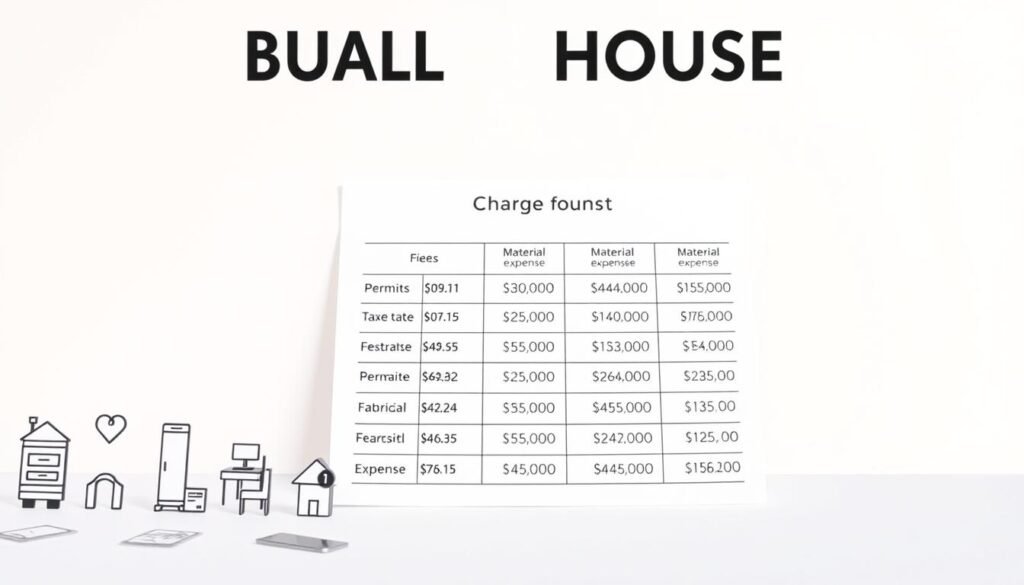
| Charge Type | Typical Rate | When It Scales Up |
|---|---|---|
| Scrutiny | ₹1–2 / sq.ft. | More floors, mixed use |
| Development | ₹200–₹300 / sq.m. | Higher road/water infrastructure need |
| Labor cess | ~1% of estimate | Higher project cost |
Keep receipts and the final certificate ready for inspections. We track these documents so the file moves smoothly through the approval workflow.
Designing for Compliance: Setbacks, FAR, and Height for Small Sites
Smart planning makes compliance simple and preserves usable space on tight plots.
We start by mapping setbacks, FAR limits, and height rules tied to road width and zoning. This avoids late revisions and keeps the building functional.
We shape the building plan so ventilation, daylight, and parking fit naturally. Early FAR checks set realistic floor count and built-up area choices.
- We tailor layouts to mandatory setbacks so the house stays approvable and comfortable.
- We validate height against road width and zoning to prevent officer objections.
- We optimize stairs, shafts, and parking to save usable area and meet fire rules.
- We resolve balcony projections and terrace headroom issues before finalizing the plan.
- We integrate water, sanitation, and electrical services so compliance does not harm function.
| Control | Limit Basis | Impact | Our Action |
|---|---|---|---|
| Setbacks | Bylaw distance from plot edge | Reduces buildable footprint | Adjust layout and locate services in margins |
| FAR | Permitted floor area ratio | Determines floors and area | Model options early to match family needs |
| Height | Road width & zoning bands | Limits storeys and roof forms | Confirm limits and adapt vertical layout |
We deliver a clear, officer-friendly package that speeds scrutiny and keeps your project on track.
Common Mistakes That Increase Costs or Cause Rejections
Many projects stall not because of design, but due to basic compliance and document mistakes. We focus on practical checks that cut rework, cost, and time.
Unlicensed plans, wrong zoning, missing documents
We never submit files drawn by unlicensed designers. Only an empanelled architect can file for approvals, and unauthorised submissions get rejected fast.
- Make sure zoning matches your intended use. Wrong land use triggers major objections and long delays.
- We keep a strict documents checklist so EC, survey, structural certificates and owner IDs are never missing.
- Name and address must match across papers. Mismatches lead to identity queries during verification.
- We validate setbacks and FAR in drawings to avoid last-minute redesigns and extra consultant charges.
- We obtain NOCs early if the property sits near drains, lakes, or aviation corridors to prevent surprise hold-ups.
- We enforce version control so the plan signed by the architect matches the file uploaded, creating a clear approval trail.
| Issue | Impact | Our Fix |
|---|---|---|
| Unlicensed plans | Rejection / wasted time | Use empanelled architect |
| Missing NOCs | Long delays | Proactive NOC procurement |
| Document mismatch | Verification holds | Cross‑check owner records |
During Construction: Staying Aligned With the Sanctioned Plan
We stay hands-on during construction to make sure the building follows the sanctioned plan at every stage. Regular checks and timely filings reduce the risk of penalties and stop-work notices.
Stage-wise affidavits and ward engineer inspections
We file stage-wise affidavits at plinth, intermediate floors, and roof milestones so the site’s progress is documented. These short affidavits confirm that the work matches the plan and that materials and dimensions meet standards.
Ward engineers inspect periodically to verify compliance. We coordinate inspection dates and keep the signed drawings, receipts, and certificates ready for on-the-spot checks.
- We align the builder’s execution with the plan approved to prevent deviations that can attract penalties or demolition orders.
- We maintain a change-log; if a design change becomes essential, we seek re-approval before on-site modification.
- Contractors are instructed not to alter setbacks, staircase placement, or height without formal revision approval.
- We document materials and dimensions to substantiate compliance, making inspections smoother and faster.
- We keep communication tight among owner, builder, and architect so compliance decisions are made quickly and correctly.

| Stage | Purpose | Typical Action |
|---|---|---|
| Plinth | Verify foundation & levels | Affidavit filed; ward engineer visit |
| Intermediate floors | Check structure and openings | Progress affidavit; site documentation |
| Roof | Confirm final built form | Final stage affidavit; prepare for completion handover |
From Completion to Occupancy Certificate
When the build finishes, we prepare documentation and invite a final inspection to confirm compliance. This final step turns months of construction into a legally occupiable property.
Final inspections, affidavits, and utility connections
We assemble a completion dossier with photos, final affidavits, and as‑built confirmations that match the sanctioned plan. These files make reviews faster and reduce queries during the officer visit.
We request the final inspection from bbmp and accompany officers on site. If the site and papers comply, the occupancy certificate typically issues within 30 days.
- Clear any pending charges and minor compliances before the appointment to avoid deferments.
- Use the OC to secure permanent water and electricity connections and update municipal records.
- We hand over organized files—sanction plan, receipts, and certificates—for refinancing or resale needs.
- We advise maintaining setbacks and avoiding unauthorized additions after occupancy.
| Step | What We Submit | Typical Outcome |
|---|---|---|
| Completion dossier | Photos, affidavits, as-built | Smoother inspection |
| Final inspection | Site review by officer | OC issued (~30 days) |
| Post-OC | OC copy, updated records | Permanent utilities & legal occupancy |
Smart Ways to Optimize Fees and Save Time
Practical design choices and complete uploads trim both time and cost for your project. We focus on compliance-first work to reduce back-and-forth and rework. Clear drawings, correct file formats, and a full document set speed reviews and protect schedules.
Compliance-first designs, complete uploads, and clear drawings
We run AI-driven checks before submission so most bylaw issues are fixed early. This reduces portal queries and keeps the Sakala clock moving.
- We make sure the design meets bylaws on the first pass, leveraging AI portal checks to fix issues before human scrutiny begins. (make sure)
- We invest in crisp, annotated drawings in PDF/DXF so reviewers need fewer clarifications. (plans)
- We upload a complete document set at once to avoid piecemeal submissions that stop the time clock. (time)
- We consult an expert early on zoning and FAR to avoid over-design and extra cost. (expert)
- We right-size built-up area so the project aligns with your budget and fee slabs. (cost)
- We respond promptly to portal queries to keep momentum and protect your review windows.
- We reuse validated templates for affidavits and title summaries to speed repeatable steps and reduce errors.
| Action | Benefit | Time saved |
|---|---|---|
| AI pre-checks | Fewer scrutiny notes | Days to weeks |
| Complete upload | No piecemeal follow-ups | 48–72 hours |
| Right‑sized plan | Lower levies and revisions | Immediate budget clarity |
When to Use Professional Assistance
A licensed design team turns complex rules into a clear, buildable plan that protects your timeline.
We recommend professional help when deadlines are tight, zoning is unclear, or the plot sits near buffers or corridor lines. An empanelled architect files applications and reduces the chance of rejections. Approval specialists manage NOC liaison and follow-ups so the file keeps moving at town planning.
How licensed architects and approval specialists reduce risk
Our architects translate bylaws into a usable house plan that matches family needs and officer expectations. Approval experts secure BWSSB, BESCOM, fire, and aviation NOCs and track portal milestones. We also coordinate the builder and structural engineer to ensure the design and execution align.
- When to hire: tricky zoning, fast timelines, or contested service lines.
- What they do: submit files, chase NOCs, liaise with town planning, and reduce rework.
- Why it pays: fewer delays, lower legal risk, and clearer outcomes for your dream home.

| Service | Benefit | When to Use |
|---|---|---|
| Architect + Design | Compliant, functional house plan | At project start |
| Approvals Liaison | Faster NOC movement and fewer portal queries | For buffer or multi‑agency needs |
| Builder & Engineer Coordination | Smooth handover from planning to construction | Before foundation works |
Conclusion
A compliance-first workflow turns complex regulations into a short, reliable path to construction. We streamline the building plan approval journey so your plan approval stays predictable and transparent.
Start with jurisdiction and zoning checks, then engage an empanelled architect to submit via OBPAS or Nambike Nakshe. We run AI checks and monitor Sakala timelines to hit fast-track windows (often 15–20 days) and target final OC within about 30 days after completion.
Keep core documents ready—title, property proofs, khata certificate, latest tax paid receipt, survey, and structural certificates. Clear design choices cut development charges and speed approvals.
We recommend using expert architects and approvals teams to track the process, manage documents, and protect your dream home and budget.