Can a private retreat in your residence truly calm the mind and lift daily life?
We start this guide by framing how owners can plan a wellness suite that feels indulgent yet purpose-driven.
Studio Lotus, Morph Design Company, Norm Architects and André Fu show different ways to combine craft, minimalism and sensory color to shape atmosphere.
Our focus is practical: zoning for privacy, a smooth living room-to-retreat flow, and mindful space planning that fits family routines and entertaining.
We also set expectations on construction, ventilation, waterproofing, acoustic control, material palettes and budgets so quality lasts.
Across coastal humidity or cold hill climates, simple choices—stone, timber, brass and layered lighting—protect comfort and circadian balance.
Read on to see room-by-room blueprints, 3D visualization steps, and how to turn ideas into supervised execution with trusted firms and local craft.
Why a Private Spa Belongs in Today’s Indian Luxury Villas
A thoughtfully planned private wellness room turns small rituals into meaningful rest. We see how interior design can move beyond aesthetics to meet real lifestyle needs.
For busy families, a dedicated space supports post-work decompression, athlete recovery, and quiet weekend routines. Top designers blend cultural cues with craft to create a personal, timeless experience.
- Value: increased resale appeal, project prestige, and flexible use for meditation, hydrotherapy, and yoga.
- Materials: durable substrates, antimicrobial grout, and finishes that suit varied climates and heavy moisture.
- Approach: Studio Lotus, Morph Design Company, and Custom Design Interiors pair local craft with modern systems over many projects and years.
- Function: acoustic control, warm dim lighting, tactile surfaces, and smart service routes for daily logistics.
| Studio | Years | Focus |
|---|---|---|
| Studio Lotus | 23 | Craft-led, sustainable interior projects |
| Morph Design Company | — | Local craft, smart systems for villa interior finishes |
| Custom Design Interiors Pvt. Ltd. | — | Sustainable solutions across East regional projects |
We map options from compact nooks to full suites so villa interior design fits new builds and renovations. Good planning ties style, function, and relaxation science to real household needs.
Search Intent and What We’ll Cover in this Ultimate Guide
If you seek a complete roadmap—from concept to handover—for a residential wellness suite, this section maps the journey. We clarify what people search for and what we deliver.
We outline a practical process used by Custom Design Interiors Pvt. Ltd.: consultation, 3D visualization, material selection, execution, and styling. This process is proven across Kolkata, Bihar, Odisha, Jharkhand, and Assam.
We’ll cover room-by-room plans, mechanical and lighting elements, smart controls, and sensory experience strategy. You will find design ideas for compact plots and larger plots, plus tips to match budget and timeline.
- Clear deliverables at each step so the project stays transparent.
- Natural light strategies and layered artificial lighting to shape daily feel.
- Sustainability, local craft, and case-led inspiration for authentic character.
| Stage | Key Output | Client Checkpoints |
|---|---|---|
| Consultation | Brief, site survey, mood board | Scope, budget, timeline |
| 3D Visualization | Renders, walkthroughs, mockups | Approve layouts, finishes |
| Execution & Styling | Construction, MEP, final styling | On-site reviews, handover |
Defining the Vision: Function, Style, and Wellness Goals
We begin by clarifying the outcomes we want from each wellness area and how they shape the plan.
This step ties programmatic needs to a coherent interior design language that guides every choice.
Mapping experiences
- We define wellness goals—detox, muscle recovery, mindfulness—and map sauna, steam, massage, hydrotherapy, and guided meditation to those goals.
- Each experience has clear technical needs: plumbing, waterproofing, fresh air supply, and precise temperature control.
- Storage for oils, linens, and equipment is planned so sessions run smoothly and clutter stays out of view.
Balancing aesthetics, comfort, and function
We translate style into action: calm palettes—whites, greens, soft pastels, wood browns—plus natural textures create a serene baseline, as André Fu and XHOME SG suggest.
Materials are zoned: non-slip stone in wet areas, timber accents in dry rooms, and acoustic panels between treatment spaces.
Lighting is calibrated per experience, from warm dim for massage to brighter, even light for grooming, preserving spatial balance and function.
Home Spa Design Luxury Villa India
We blend Ayurvedic rituals and modern systems to translate traditional wellness into efficient residential suites. Our goal is a calm, serviceable space that reads as both rooted and contemporary.
Blending Indian wellness traditions with modern luxury
We draw from bathing rites, meditation corners, and oil therapies to shape program and flow. Jaali screens, artisanal metalwork, and handwoven textiles add cultural texture without clutter.
Adapting to climate, space, and cultural preferences across India
We tailor systems by region: dehumidification for coastal sites, heating and insulation for hill settings, and dust control in dry interiors. Accessibility, separate ritual timings, and family safety guide the brief.
- Natural materials: local stone and timber paired with selected brass and marble touchpoints.
- Technical services: steam, sauna, and hydrotherapy specified with ventilation and drainage per local codes.
- Sensory cues: scent libraries (sandalwood, jasmine) and curated soundscapes for a subtle signature.
| Studio | Focus | Approach |
|---|---|---|
| Studio Lotus | Conscious, sustainable interior design | Craft-led, long-term projects |
| Morph Design Company | Holistic collaborations | Local craft and systems |
| Nishtha Essential LLP | Resort and residential retreats | Sustainable meditation projects |
Signature Styles for Spa Interiors: From Zen to Indochine
Signature interior languages shape how a wellness suite feels and functions. We outline four clear directions so clients and designers can match style, maintenance, and architecture to program needs.
Modern minimalism and refined modern luxury
Clean lines, neutral palettes, and glass-and-metal details keep the space crisp. This approach relies on simple geometry and calm materials to reduce visual clutter.
Lighting is layered and discreet, with concealed profiles and warm dimming to keep the mood consistent.
Wabi-sabi and Japanese Zen
Raw wood, stone, and clay textures create sensory calm and authenticity. Imperfect finishes and muted tones encourage tactility and quiet.
Natural daylight, focused task lights, and soft acoustic panels enhance the sensory experience.
Indochine and vintage blends
Rattan, woven bamboo, and nostalgic tones evoke tropical refinement. This style pairs well with handcrafted joinery and local artisan pieces.
Accent lighting and layered pendants highlight texture without overpowering the palette.
Opulent neoclassical, Baroque, and Moroccan
Paneling, arches, patterned tiles, and statement chandeliers define this route. It suits larger villa interior plans where ornament can breathe.
We advise balancing ornate elements with slip-resistant finishes and water-tolerant treatments for practical upkeep.
| Style | Key materials | Lighting approach | Practical notes |
|---|---|---|---|
| Modern minimalism | Glass, steel, stone | Concealed profiles, warm dim | Low maintenance; best for small to medium villa interior design |
| Wabi-sabi / Zen | Raw wood, clay, rough stone | Natural light, soft downlights | High tactile warmth; needs moisture-tolerant finishes |
| Indochine / Vintage | Rattan, bamboo, aged wood | Layered pendants, spot accents | Good for hybrid palettes with local craft |
| Neoclassical / Moroccan | Marble, patterned tile, brass | Statement chandeliers, wall washers | Best in larger spaces; plan for cleaning and slip resistance |
Materials & Finishes that Elevate the Experience
Selecting materials is where craft meets engineering; it determines feel, safety, and upkeep. We pick finishes that read warm and calm while meeting strict moisture and slip requirements for wet and dry zones.
Natural materials we recommend
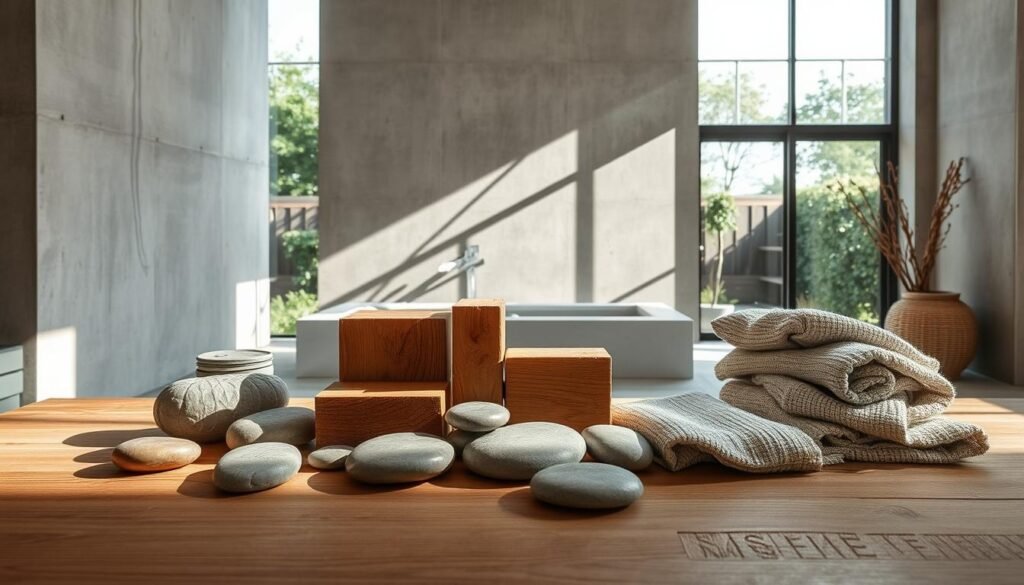
We curate oak, walnut, stone, clay, cane, and rattan to add texture, grip, and tactile richness. These natural materials age well and support a refined interior language for treatment rooms and lounges.
Where to add luxe touches
Imported marble, brushed brass, and handcrafted joinery are layered at high-touch points. We use these sparingly so durability and daily function remain primary.
Wet-area durability and technical notes
Anti-skid tiles, antimicrobial grout, and correct drainage slopes are non-negotiable. We detail movement joints and waterproofing membranes per IS codes to prevent failures.
- Sealers that keep texture while enabling easy cleaning.
- Corrosion-resistant finishes for metal fittings in saline climates.
- Lighting integration: concealed profiles and IP-rated fixtures near wet benches.
| Stone type | Porosity & maintenance | Cost & suitability |
|---|---|---|
| Granite | Low porosity, easy upkeep | Mid cost; durable for wet zones |
| Marble | Higher porosity, needs sealing | Higher cost; used for accents |
| Engineered stone | Non-porous, low maintenance | Variable cost; great for consistent color |
Lighting Design: Layered, Dimmable, and Spa-Grade
We treat lighting as the backbone of atmosphere, not an afterthought. Good lighting supports the process from grooming to deep rest and shapes how materials and finishes read in the interior.
Architectural lighting, warm-dim, and circadian-friendly schemes
We build a clear lighting hierarchy: ambient, task, accent, and decorative layers. Each layer has tuneable levels so the space moves from energizing morning light to calm evening tones.
Warm-dim profiles mimic sunset hues to support sleep cycles after a treatment. We test color temperature and CRI against materials so wood, stone, and textiles look true and inviting.
Statement chandeliers vs. concealed profiles for serenity
Statement fixtures can anchor a lounge but we reserve them for dry zones. Concealed linear profiles and recessed LED downlights keep treatment rooms visually calm and glare-free.
We specify IP and corrosion ratings for steam and sauna areas. Drivers and modular components are placed for easy service and long life.
- Lux targets: bright for grooming/cleaning, soft for massage and meditation.
- Glare control: baffles, indirect grazing, and low-UGR fittings for relaxation.
- Automation: scenes, schedules, and voice control for multi-zone routines.
| Fixture | Best use | CRI / CCT | IP Rating |
|---|---|---|---|
| Recessed LED downlight | Compact treatment rooms, task light | CRI ≥ 90 / 2700–4000K | IP44 (near wet areas) |
| Concealed linear profile | Circulation, perimeter grazing | CRI ≥ 90 / 2700–3000K | IP20 (dry zones) |
| Warm-dim LED modules | Mood shifts, evening scenes | Warm-dim curve / 2200–3000K | IP44 where exposed |
| Statement chandelier | Relaxation lounge, visual anchor | CRI ≥ 90 / 2700K preferred | IP20 (protected locations) |
We balance natural light with blackout and privacy controls to keep the interior flexible day to night. Our approach blends practical specs with creative intent so each space feels calm and purposeful.
Planning by Space and Scale: From 30 m² Nooks to Full Wellness Suites
Scale shapes every choice: small treatment corners call for clever storage, while large suites demand formal circulation. We size the program to match daily routines and budget, and then pick finishes, lighting, and services that fit that scale.
Compact 30 m² retreats
For a 30 m² nook we specify foldable massage beds, wall-integrated cabinets, and mirrored walls to amplify space. XHOME SG recommends these plus simple HVAC and durable finishes for daily use.
Mini suites under 50 m²
Under 50 m² we add mobile partitions or curtains, LED downlights, and light color palettes to keep the interior bright and flexible. These setups balance privacy with compact circulation.
Medium 50–100 m² plans
At 50–100 m² we zone for multiple treatments, a relaxation lounge, and dedicated staff routes. Ventilation, drainage, and waterproofing upgrades are defined as functions increase.
Large-format suites >100 m²
Large suites include changing rooms, showers, lounges, and private treatment rooms. We prioritize circulation for guests and laundry flows so service runs without interrupting sessions.
- Match finishes to traffic and moisture to protect quality over years.
- Align budget to impact areas; prioritize safety-critical systems and touchpoints.
- Use a shared materials and lighting language to keep stylistic consistency across projects.
| Scale | Key features | Priority upgrades |
|---|---|---|
| 30 m² | Foldable beds, wall storage, mirrors | Compact HVAC, durable finishes |
| 50 m² | Partitions, LED downlights, light palette | Flexible privacy, zoned lighting |
| 100+ m² | Changing rooms, showers, lounges | Enhanced ventilation, drainage, service routes |
Room-by-Room Blueprint for a Luxury Home Spa
We outline a clear sequence so arrival, treatment, and rest flow as one calm experience. Each element balances aesthetics, safety, and service for a cohesive interior plan.
Entry and reception vibe
Start the arrival with a greened façade, large glazed doors, and a signature sign that hints at the interior aesthetic. We use potted plants, soft lighting, and textured screens to create a sensory threshold that links architecture to the suite.
Treatment rooms
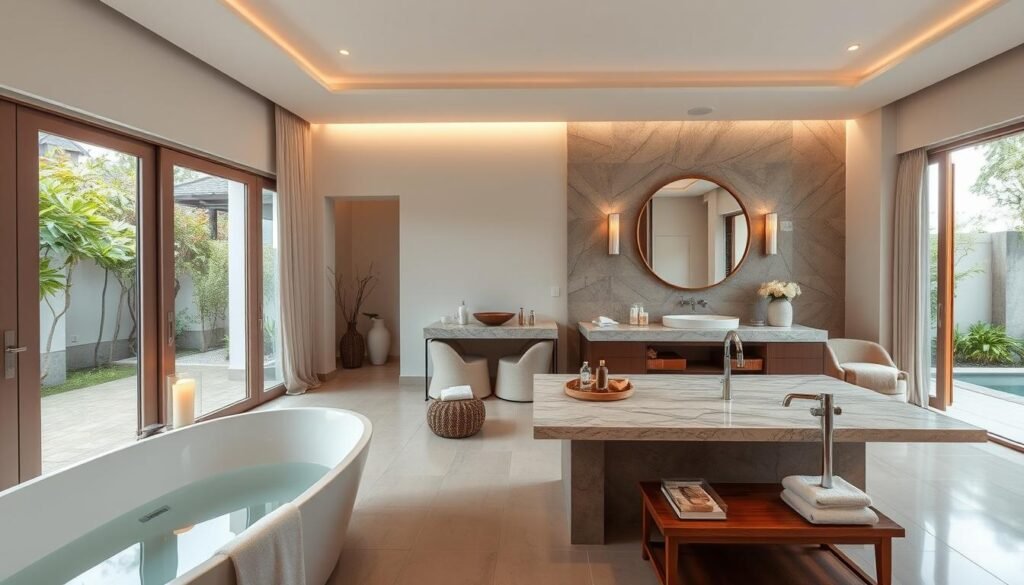
Treatment rooms need acoustic isolation, ergonomic layouts, and warm-dim lighting scenes. Mobile partitions and discreet storage keep oils and linens out of view while ensuring quick staff access.
Sauna, steam, and hydro zones
These wet areas require robust waterproofing, correct floor slopes, and continuous ventilation. We specify slip-resistant finishes, antimicrobial grout, and emergency shutoffs to meet safety and hygiene needs.
Relaxation lounge
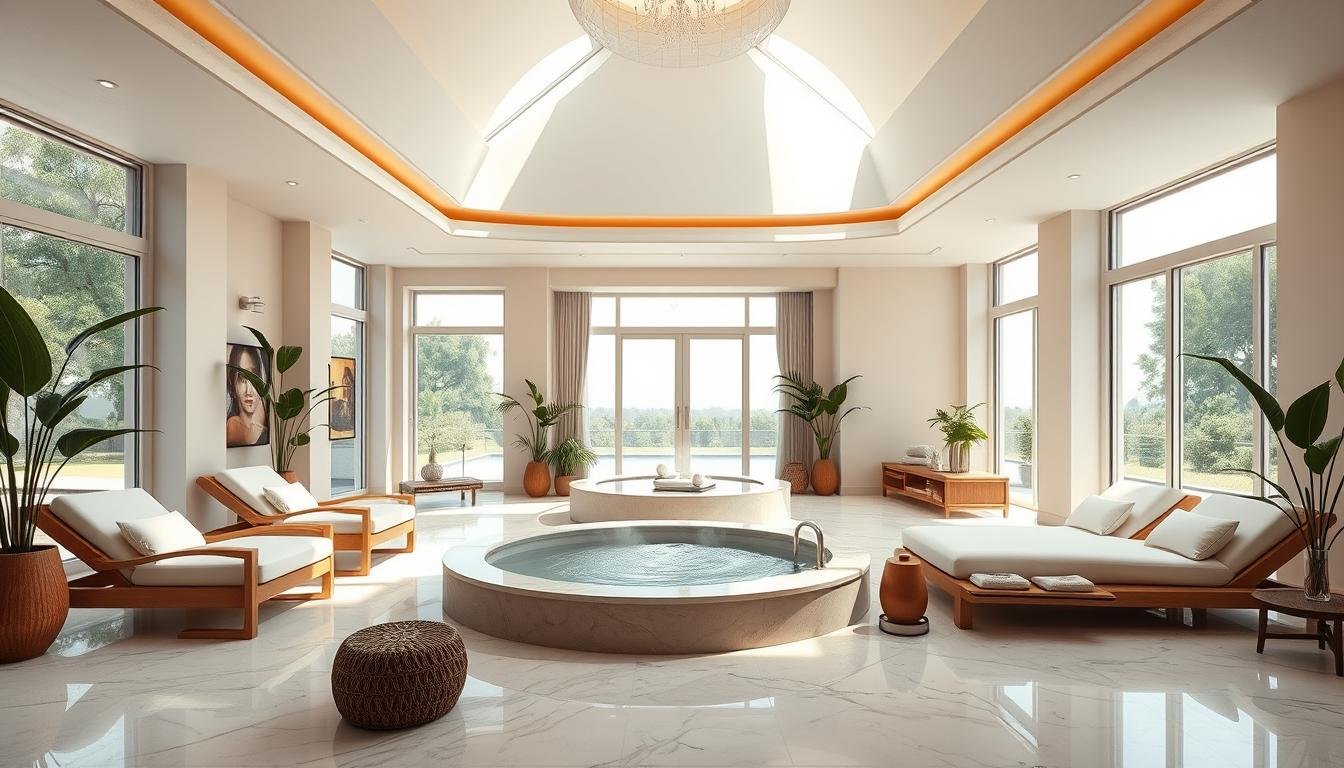
Lounges pair recliners, tea stations, and biophilic elements to support decompression between treatments. We add controlled natural light with glazed screens or skylights, using privacy films or jaali to preserve calm.
- Arrival: green façade, clear signage, sensory threshold.
- Treatments: acoustic privacy, ergonomic flow, warm-dim lighting.
- Hydro zones: ventilation, waterproofing, safety shutoffs.
- Lounge: tea station, recliners, plants, connection to living room.
| Area | Priority | Key spec |
|---|---|---|
| Reception | First impression | Glazed doors, signage, greenery |
| Treatment rooms | Comfort & privacy | Acoustics, warm-dim lighting |
| Hydro zones | Safety & hygiene | Waterproofing, ventilation, slip resistance |
Wellness Technology, Smart Controls, and Comfort Systems
Smart systems let a wellness suite feel intuitive, shifting mood and comfort with a single tap.
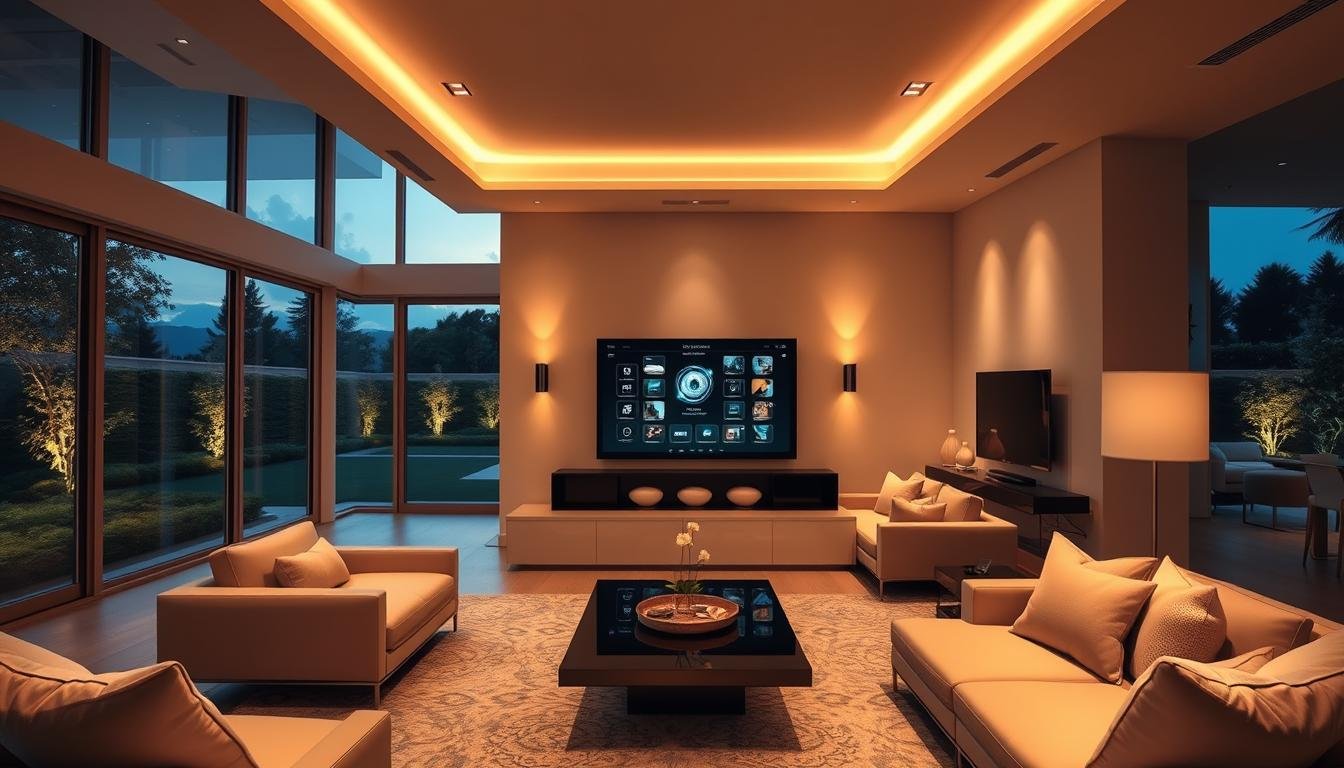
We integrate lighting, climate, scents, audio, and privacy into unified scenes. A single scene can change lights, lower temperature, start a playlist, and close blinds for deep relaxation.
Automation for scenes, privacy, and audio
We build preset scenes for arrival, treatment, and rest. Scenes run on wall keypads, voice apps, or a central tablet so staff and guests can operate with low friction.
Privacy glass and automated blinds secure discreet sessions. Audio is zoned with IP-rated speakers for wet areas and curated playlists to shape the experience.
HVAC, humidity control, and fresh air
HVAC specs include humidity control, fresh-air exchange, and odor management for steam and sauna loads. Sensors for CO2, humidity, and leaks protect finishes and reduce energy use.
We specify power isolation and safety interlocks for hydro equipment, and we require commissioning protocols to verify airflow, temperature, and lighting scenes before handover.
- Integrated scenes for lights, temp, scent, and audio that shift modes on command.
- Sensors for occupancy, CO2, humidity, and leak detection to safeguard materials and service life.
- Future-proof systems with upgradeable drivers and local service compatibility for reliable work.
| Feature | Purpose | Spec | Local support |
|---|---|---|---|
| Lighting scenes | Set mood for treatments | DALI/DMX; warm-dim profiles | Custom Design Interiors – Kolkata service partners |
| HVAC & humidity | Control comfort and moisture | AHU with enthalpy wheel; humidistat | Regional MEP contractors with service plans |
| Safety & sensors | Protect finishes and users | Leak, CO2, occupancy sensors; interlocks | Local integrators for commissioning |
| Audio & privacy | Zone sound and discretion | IP speakers; privacy glass; automated blinds | AV teams with wet-area experience |
Sustainability and Sensory Wellbeing
We frame sustainability as a central strategy that lifts sensory quality and reduces long‑term costs.
Local sourcing, eco-friendly finishes, and water-wise systems
We prioritise local sourcing to cut embodied carbon and to support craft. Studio Lotus and Custom Design Interiors champion this approach. This keeps replacement cycles simple and strengthens material provenance.
We specify low‑VOC paints, water‑based sealers, and FSC timber where feasible. For hydro features we use low‑flow fixtures, greywater reuse, and recirculation to reduce consumption.
Biophilic elements: light, plants, textures, and sound
We bring natural light into treatment and lounge spaces and pair it with shading and warm‑dim scenes to support circadian comfort. XHOME SG’s palette advice guides timber and stone textures that age with grace.
Acoustics are managed with soft surfaces and isolators. We add planting and gentle water soundscapes to build a calm sense of enclosure. Cleaning protocols use gentler products that protect finishes and guest wellbeing.
- Document material health data for maintenance and future upgrades.
- Measure air quality, humidity stability, and guest feedback to refine the program.
| Measure | Benefit | Suggested materials | Lead partners |
|---|---|---|---|
| Local sourcing | Lower carbon, craft support | Regional timber, hand‑finished stone | Studio Lotus, local artisans |
| Eco finishes | Better air quality, durability | Low‑VOC paint, water sealers | Custom Design Interiors, certified suppliers |
| Water‑wise systems | Reduced use, operational savings | Low‑flow fixtures, greywater loops | MEP contractors, sustainability consultants |
| Biophilia & acoustics | Improved wellbeing, quieter space | Indoor plants, timber panels, soft textiles | XHOME SG guidance, AV teams |
Integrating Indian Aesthetics and Rituals
We root the suite in everyday rituals and crafted elements so the space feels familiar and purposeful. Small interventions—light, texture, and sound—shape how rituals unfold.
Ayurvedic cues and meditation corners
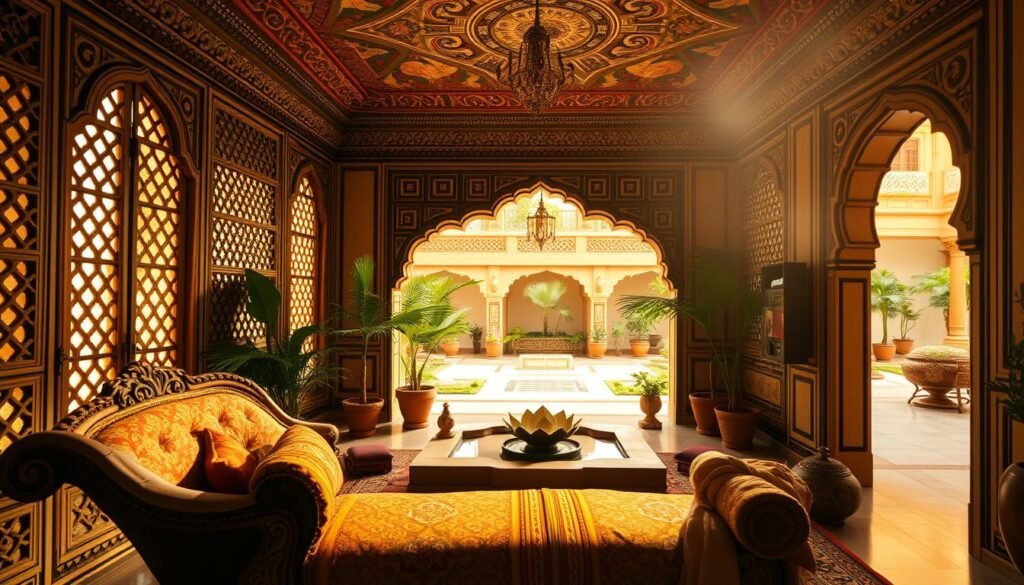
We carve meditation corners with low seating, soft rugs, and muted lighting to encourage daily practice. These pockets use simple storage for oils and towels so rituals stay tidy.
Artisanal décor, jaali screens, and brass accents
Custom Design Interiors uses jaali partitions and handwoven textiles to create dappled light and private nooks. Studio Lotus champions cultural influence and sustainable materials in these compositions.
Brass bowls, diyas, and thalis add warmth without clutter. We commission carved panels and metal inlays that read honest and restrained.
Transitions, sound, and maintenance
We link the living room to the suite through recurring motifs so circulation feels seamless. Temple-bell chimes or a small water feature deepen the ritual soundscape.
Lighting for puja and meditation is low-glare and dimmable. We choose materials that tolerate oils and incense and that clean easily to protect finishes and longevity.
| Element | Function | Materials | Care |
|---|---|---|---|
| Meditation corner | Daily practice, rest | Natural rugs, timber seating | Vacuum rugs, wipe timber |
| Jaali partition | Privacy, light patterning | Carved wood or metal | Dust weekly, periodic polish |
| Brass accents | Ritual tools, visual warmth | Brass bowls, thalis | Polish gently; avoid harsh cleaners |
| Sound elements | Atmosphere, ritual cue | Water feature, bells | Service pump yearly; clean basin |
Budget, Value Engineering, and Quality Control
Careful budgeting turns ambition into a buildable, predictable project rather than an open-ended expense. We set clear financial rules so the interior design project runs to brief and to schedule.
Allocating for fees, materials, MEP, and contingencies
We break costs into clear buckets: design fees, structural and MEP allowances, materials and finishes, fixtures, technology, and décor. This helps clients compare proposals and track spend against milestones.
XHOME SG advises reserving 10–20% contingency for surprises, especially during wet-area construction. Custom Design Interiors combines strategic sourcing and value engineering to keep the aesthetic while reducing overruns.
Where to splurge and where to save
Spend on critical systems: steam/sauna assemblies, waterproofing, primary stone, and lighting control. These elements protect finishes and guest safety over years.
Save with local stone, modular cabinetry, phased automation, and off‑the‑shelf fixtures that match the interior intent.
- Sequence payments to milestones: approvals, material delivery, site progress, and handover.
- Require mockups, vendor certifications, and installation checklists for key assemblies.
- Compare vendors by service reliability, years in business, and warranty terms, not just price.
| Cost Category | Typical Allocation | Notes |
|---|---|---|
| Design & approvals | 8–15% | Includes concept, 3D, and project management |
| MEP & structural | 20–30% | Critical for wet zones and longevity |
| Materials & finishes | 25–40% | Primary stone and waterproofing are high priority |
| Contingency & fixtures | 10–20% | Reserve for unforeseen works and final tech |
We formalize change orders, protect installed finishes on site, and close with a snag list plus full warranty documentation. This keeps construction transparent and preserves quality through handover.
Choosing the Right Interior Designers and Architects
Choosing the right team shapes how a retreat performs and feels over years. We look for studios that pair clear technical skill with an unmistakable aesthetic. That balance keeps MEP, waterproofing, and finishes aligned with the mood you want to create.
What to look for
- Years experience and verified projects handling wet-area technicals and service routes.
- A portfolio that shows villa interior plans, mockups, and on-site supervision work.
- Transparent fees, a clear process, and client reviews that confirm delivery and timelines.
- Office capacity and partner networks for local MEP, procurement, and commissioning.
Studios to consider and global inspiration
We profile Studio Lotus (Delhi; 23 years; Surface Design Awards, AD100 2025; Hotel RAAS and large institutional clients). Morph Design Company (Bengaluru; >10 years; A’ Design Awards) is strong on collaborative, craft-led projects. Nishtha Essential LLP (Pune) brings eco-focused wellness work and retreat experience.
| Studio / Firm | Strength | Years | Notable focus |
|---|---|---|---|
| Studio Lotus (Delhi) | Craft-led, conscious interiors | 23 | High-end projects, large clients |
| Morph Design Company (Bengaluru) | Holistic collaborations, finishing systems | 10+ | Residential and resort projects |
| Nishtha Essential LLP (Pune) | Sustainable wellness and retreats | — | Eco-focused residential projects |
| Global inspirations | Minimalism, rigour, landscape integration | Varied | Norm Architects; David Chipperfield; Basalt Architects |
We recommend shortlisting firms by portfolio depth in villa interior design, clarity of process, and how they document years experience on similar projects. Ask for mockups, supervision plans, and service-level expectations in the contract to avoid scope drift.
The Design and Build Process We Recommend
Our recommended workflow turns ideas into tested details that reduce surprises during construction.
Consultation, concept, and mood boards
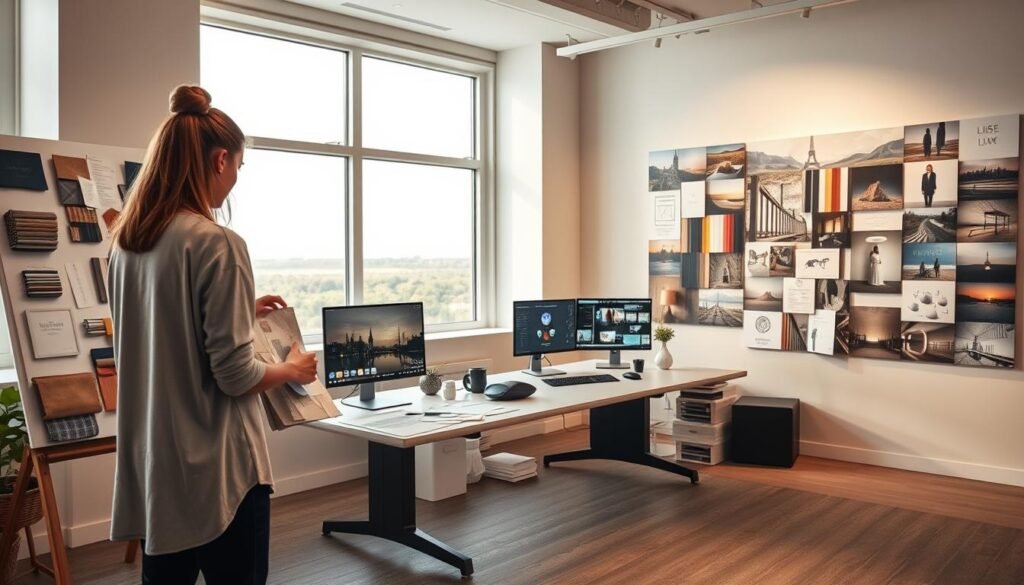
We begin with a focused consultation to map lifestyle needs and program priorities. We create mood boards to align on style and function.
3D visualization, material selection, and mockups
We produce layouts and 3D visualization to test scale, lighting intent, and finish palettes. Early mockups—stone samples, grout tests, and lighting scenes—help us lock decisions before site work starts.
Execution, supervision, and final styling for a turnkey finish
We finalize technical drawings for MEP, waterproofing, and lighting to de-risk the build. Procurement schedules and vetted vendor lists keep lead times in check.
On site we run stage inspections, photograph assemblies, and coordinate specialist services for steam, HVAC, and automation. Styling and handover include manuals, warranties, and training. A post‑occupancy visit closes the loop and refines settings.
| Phase | Key Output | Client Checkpoint |
|---|---|---|
| Consultation | Brief, mood board, program | Approve scope & style |
| Visualization | Layouts, 3D renders, mockups | Approve finishes & scenes |
| Execution | MEP drawings, procurement, installation | Stage inspections, snag list |
| Handover | O&M manuals, warranties, training | Post‑occupancy review |
Case-Led Inspiration: Ideas from Villas and Spas We Admire
We draw practical cues from standout projects to shape palettes, lighting, and flow. Real examples help us turn concept sketches into clear interior plans that work with architecture and daily life.
Indian exemplars — daylight, craft, and indoor‑outdoor flow
Studio Lotus shows how earthy palettes and crafted screens bring tactile warmth to a suite. Their hospitality work at RAAS Jodhpur and Taj projects teaches us how materials and repeated motifs link a living room to quieter treatment zones.
Contemporary cues from regional firms
Morph Design Company pairs premium finishes with compact, functional layouts. Nishtha Essential LLP focuses on meditation-led planning, creating quiet corners and gentle material choices that read as calm and simple.
International lessons in restraint and landscape
Norm Architects and David Chipperfield model tonal restraint and measured proportion for serene interiors. Basalt Architects adds a lesson in landscape integration from geothermal bath projects, which we adapt with regionally suitable materials.
- Translate these studies into three mood boards: modern luxury, wabi-sabi, and Indochine.
- Use repeated textures and a shared palette to ensure living room-to-suite continuity.
- Turn architectural moves—skylights, jaali, earth tones—into lighting scenes and furnishing choices.
| Source | Lesson | Application |
|---|---|---|
| Studio Lotus | Craft & earthy palettes | Jaali screens, warm finishes |
| Morph Design Company | Functional modern approaches | Efficient layouts, premium finishes |
| Norm / Chipperfield / Basalt | Minimal proportion & landscape | Tonal restraint, material-led flow |
Conclusion
A well-crafted close ties every technical choice back to daily comfort and use. We recap how a planned retreat elevates routine through restorative rituals and calm material choices.
.
We stress comfort with acoustic control, warm-dim lighting, and tactile surfaces that invite lingering. Simplicity and balance keep visual noise low and let craft and style stand out.
Follow a clear process: set goals, fix a budget, run a concept workshop, then test with 3D visualization to de-risk decisions. Book a design consultation to map timelines and teams, and to align technical benchmarks and sustainable choices.
We believe your luxury villa can host a personal, purposeful, and timeless experience. We remain ready to guide you from concept to turnkey handover as you shape the villa interior and overall interior design journey.