Can a fresh coat of wall paint really make a tired room feel like new without a big budget?
We believe it can. A smart paint plan can refresh any home and give a designer look that lasts.
Our approach pairs color-savvy design with practical product choices. We rely on low-VOC interior paints, primer, and simple prep to protect indoor air and extend each coat’s life.
We also show step-by-step room scoping, finish selection, and work sequencing so the job feels organized, not overwhelming.
Tools like brand paint calculators help us estimate quantities and avoid waste. We name trusted products such as Asian Paints and their Paint Calculator to set accurate coverage and budget targets.
We account for humidity, sunlight, and family traffic when choosing colours and finishes. Small tricks—accent walls, two-tone combos, and neat cutting-in—deliver high impact without repainting every surface.
Understanding Color’s Impact on Your Home’s Look and Feel
The colours you pick set a room’s mood and can change how big or cozy a space feels.
We break down how wall colour affects mood and perceived depth. Lighter tones make small rooms feel larger. Darker shades bring intimacy and warmth to bigger spaces.
We explain simple color psychology so you can match palettes to your family’s personality. Warm tones energize; cool tones calm. Soft pastels and neutrals help bedrooms feel restful, while bolder colors suit lively dining or gathering areas.
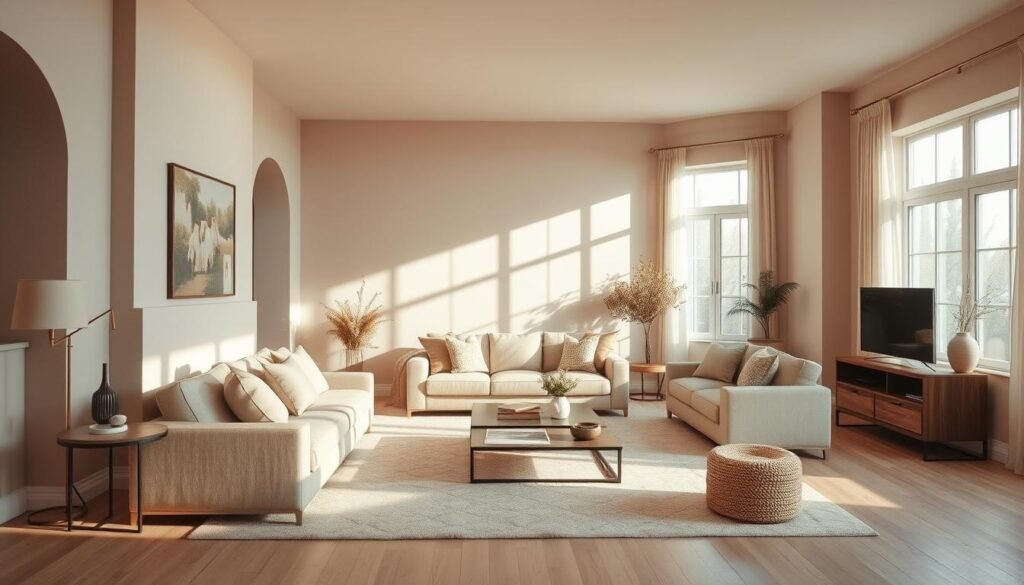
Test swatches on the actual walls and observe them at different times of day. Light shifts how a colour reads and changes the room’s appearance.
| Colour / Tone | Mood | Best Room Use |
|---|---|---|
| Soft blue | Serene, spa-like | Bathroom |
| Neutral pastel | Calm, restful | Bedroom |
| Deep accent | Intimate, dramatic | Dining or feature wall |
We also show how accent tones add perceived depth without repainting every wall. Finally, pick wall paint finishes to suit light: matte to reduce glare in bright rooms, reflective sheens to lift dim corners.
How We Plan a Budget-Friendly Paint Makeover in India
Before choosing shades, we examine each room’s function, traffic patterns, and the quality of its light.
Assessing room purpose, traffic, and lighting
We map each room’s use and footfall so finishes meet real needs. For kitchens and hallways we pick durable, washable paints. For bathrooms we prefer moisture-resistant, semi-gloss finishes. For bedrooms we choose softer matte looks.
Calculating paint quantity and cost with brand calculators
We measure wall area and use a brand calculator such as Asian Paints Paint Calculator. This gives liters required based on coverage per liter and helps avoid overbuying. Accurate estimates save time and money and keep the project on schedule.
Prioritizing spaces for maximum visual payoff
We focus on high-visibility walls first: entry, living feature wall, and dining backdrop. A single accent wall or refreshed trim often lifts the whole interior design without repainting every room.
We typically build a coordinated range of 3-5 shades per home to reuse leftovers across rooms. We schedule prep and primer one day, first coats the next, and touch-ups on the third to minimize disruption.
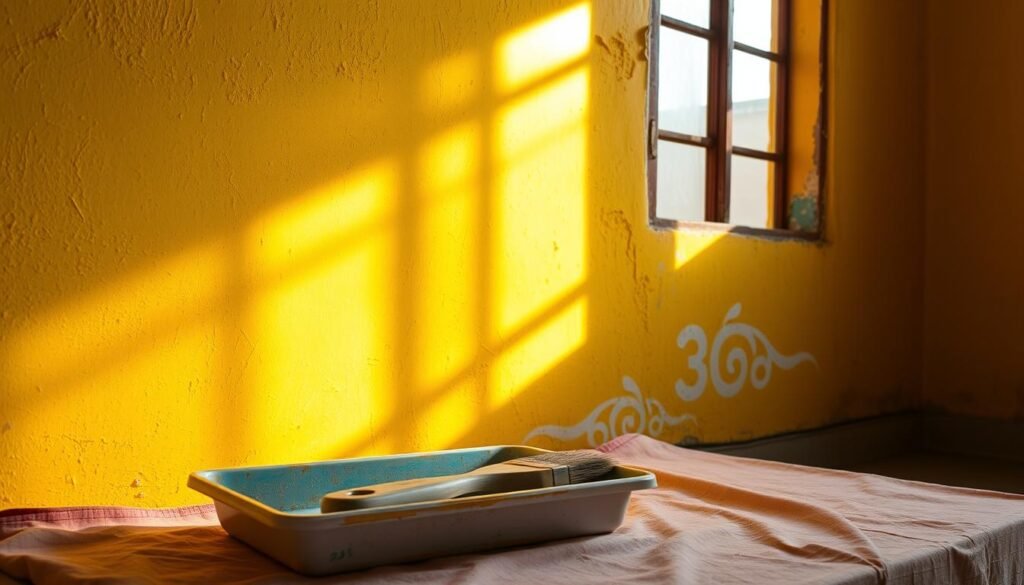
Choosing Affordable Paint Types, Finishes, and Textures
Picking the proper finish for each surface reduces maintenance and gives rooms a cleaner look. We balance durability and appearance so work lasts longer and needs fewer touch-ups.
Matte, satin, semi-gloss: where each finish saves money and time
Matte hides imperfections on older walls but needs gentle care. Eggshell adds low sheen and cleans easier. Satin is our go-to for hallways and kids’ rooms because it blends toughness with soft reflection.
- Semi-gloss: best for trims and damp areas for easy scrubbing.
- Use matte or eggshell on large wall planes to mask flaws.
- Reserve satin for doors and high-touch zones to cut repaint cycles.
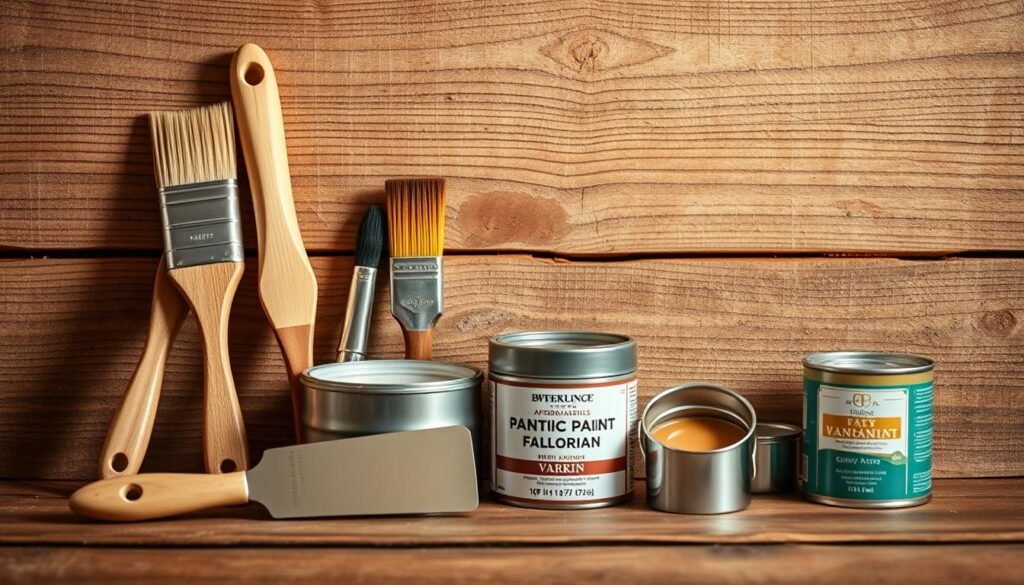
Low VOC options for healthier interiors
We choose low VOC paints to protect indoor air without a big price shock. Modern products arrive in many finishes and textures and often cover well in two coats.
When to use primers for better adhesion
Apply primer on porous plaster, new putty, or big colour shifts. For glossy or previously sealed surfaces, pick adhesion-focused paints or a bonding primer to avoid extra coats.
| Finish | Best Use | Cleaning |
|---|---|---|
| Matte | Broad walls, older surfaces | Low |
| Satin | Hallways, doors | Medium |
| Semi-gloss | Trims, bathrooms | High |
Room-Wise Color Ideas That Stretch Your Budget
We build simple palettes so one or two tins cover many rooms and create a cohesive home look.
Test a few shades on the wall at day and night before you buy. That saves rework and keeps the feel you want.
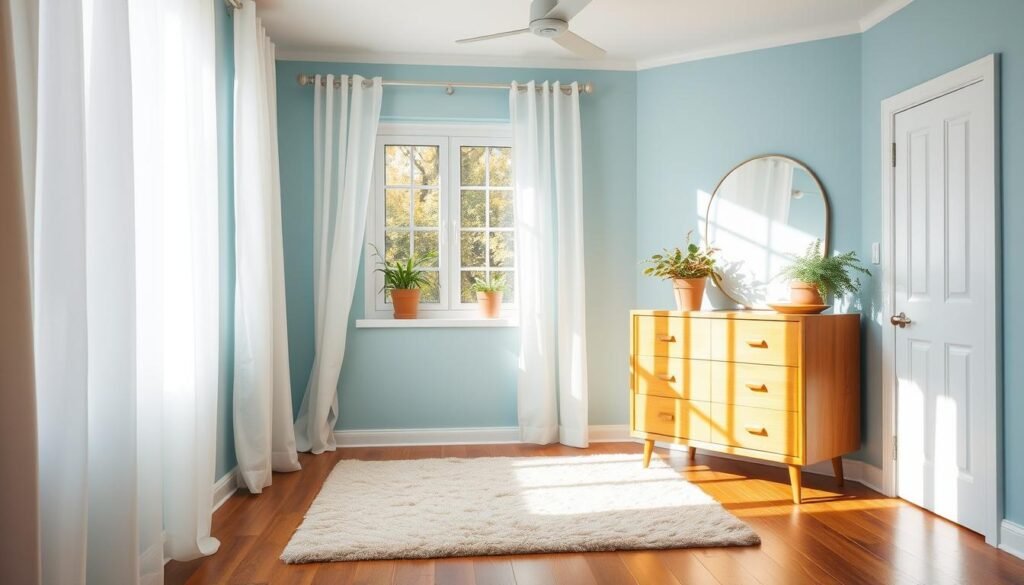
Living room palettes
Choose warm whites and earthy greens for daily calm. Add a bright lime accent to energize conversation.
Bright Lime pairs well with white or oil-blue furniture and makes the living space feel lively without extra décor.
Bedrooms that promote rest
We favour pastels, muted greens like eucalyptus, and soft lavender tones. These colours help a room feel restful.
Kitchens and dining tips
Classic white keeps kitchens versatile. Fresh greens modernize, while small red accents can gently boost appetite.
Bathrooms
Blue tones such as Blue Wool give a spa-like feel. Use white trims or tiles to keep surfaces bright and easy to clean.
- Use one base colour across adjacent rooms to stretch paint and link spaces.
- Echo an accent hue in cushions or throws to match furniture and finish the design.
low cost house painting ideas india
Small tweaks to a single wall can change how a room reads and save paint for other areas. We focus on smart contrast, careful placement, and a few durable finishes to get a designer result with minimal fuss.
Accent walls that add depth without painting all four walls
Pick a saturated hue for the wall opposite the main light source to balance depth and glow. Strong colours work well in small powder rooms and niches as conversation-starting accents.
Two-tone and wainscot tricks to make small rooms feel larger
Darker tones on the lower half, lighter above, visually raise ceilings and expand the perceived space. A painted wainscot band also protects high-contact zones and keeps maintenance simple.
Reviving furniture and doors to elevate the whole room’s look
We reuse leftover paint to refresh furniture and doors in satin or semi-gloss for durability. Repainting a door and one cabinet can lift the whole room and link colours across the home.
Using light shades to brighten dim spaces with minimal paint
- Use a pale shade on the darkest wall to bounce light back into the room.
- Add bright white trims for crisp contrast and cleaner edges.
- Try small cans of bold colour for niches, shelving backs, or a single shelf to create cohesion with soft furnishings.
Smart Finishing Techniques for a High-End Look at Low Cost
How you cut in, roll, and layer determines whether a wall looks factory-smooth or DIY. Small technique choices change the final finish and the way color reads in a room.
Cutting in for crisp edges
We use a high-quality angled brush to cut in along ceilings, trims, and corners. This keeps paint lines sharp and prevents bleed-through on delicate surfaces.
Spot-prime patched areas first to equalize porosity. That prevents flashing so the final color reads uniformly across the wall.
Rolling methods and layered coats
We roll in overlapping W or M patterns to keep a wet edge and avoid lap marks. Calibrating roller nap to the surface helps paint level and hides minor textures.
Apply two to three thin coats with full drying time between layers. Thin coats deepen color, add perceived depth, and deliver a more durable finish.
- Strain paint and keep trays clean to avoid debris on satin or semi-gloss finishes.
- Feather final strokes toward the room’s light to minimize visible roller patterns as the paint cures.
- Work top-to-bottom and left-to-right; save accent areas for last so edges stay crisp after main walls cure.
| Technique | Best For | Why It Works |
|---|---|---|
| Cutting in with angled brush | Ceilings, trims, corners | Creates sharp edges and prevents bleed-through |
| W/M rolling pattern | Broad wall surfaces | Maintains wet edge and avoids lap marks |
| Two thin coats + drying | All painted surfaces | Builds color depth and long-term durability |
Prep Like a Pro: Simple Steps That Save Money Later
The right prep turns uneven walls into a smooth canvas for true colour to shine. We focus on a few disciplined steps that cut rework and help paint perform as promised.
Cleaning, repairing, sanding, and taping for a flawless surface
We start by cleaning walls with a mild detergent and water to remove dust and grease so paint adheres properly. This small step improves finish and reduces visible streaks.
Next, we fill cracks and nail holes with a suitable filler, then sand smooth. A level surface prevents shadows or ridges from telegraphing through the paint.
Careful taping of trims, sockets, and fixtures saves time later. Clean tape lines give sharper edges and a more professional wall painting result.
Priming porous and previously painted walls for true colour
We prime porous plaster and patched areas so wall paint absorbs uniformly and delivers accurate colour in fewer coats. On glossy or previously painted surfaces we scuff-sand lightly and spot-prime to boost adhesion and reduce peeling risk.
We decant paint into lined trays and use clean tools to avoid bumps. Finally, we stage the room with drop cloths, ventilation, and build in proper dry time between prep and paint to cut touch-ups and extend the project’s life.
Stretching Life and Color: Repaint Timing and Care
A few simple routines can stretch a room’s colour life and delay a full repaint for years.
How often to repaint different rooms
We recommend practical timelines that suit typical Indian home wear. High-traffic halls and kids’ spaces often need fresh coats every 2–3 years.
Kitchens and bathrooms usually show wear in 3–4 years because of moisture and cooking residues. Bedrooms with lighter use can run up to 5 years before a full refresh.
Washability and simple care
Choose satin or semi-gloss finishes where scuffs are common; they protect appearance and make cleaning easy.
- Routine: soft sponge, mild soap, quick rinse — avoid harsh scrubbing that changes tones.
- Ventilate after cleaning so the finish cures and resists mildew in wet spaces.
- Use high-quality acrylic paints for busy areas to cut scuffing and keep colours true longer.
Practical touch-up habit
Keep a labeled touch-up kit per room: small tins, brush, and roller. Match batch codes when possible to hide repairs.
For spot fixes, feather edges slowly and blend into the surrounding texture to preserve a uniform appearance. Watch corners and switch plates for early wear and repair them before damage spreads.
| Space | Repaint Cycle | Best Finish |
|---|---|---|
| Hallways / Kids’ rooms | 2–3 years | Satin or semi-gloss |
| Kitchens / Bathrooms | 3–4 years | Moisture-resistant semi-gloss |
| Bedrooms | Up to 5 years | Matte or eggshell |
Conclusion
Smart colour choices and careful prep turn ordinary rooms into spaces that feel designed.
We suggest prioritizing high-impact walls, picking a coordinated range of shades, and matching finish to use so each room’s look improves without waste.
Use a brand paint calculator to gauge quantities and avoid excess. A single accent in the living area, refreshed doors, or crisp trim gives outsized visual returns.
Warm whites and greens work well for welcoming living spaces. Restful palettes suit bedrooms. Timeless whites or small kitchen accents lift kitchens and dining areas.
Thin, patient coats and proper priming deliver a high-end appearance. Save labeled leftovers for future touch ups so your walls stay consistent.
Next step: shortlist two to three colour families, sample them on the wall, and pick the shade that best elevates your home’s appearance and complements your décor.