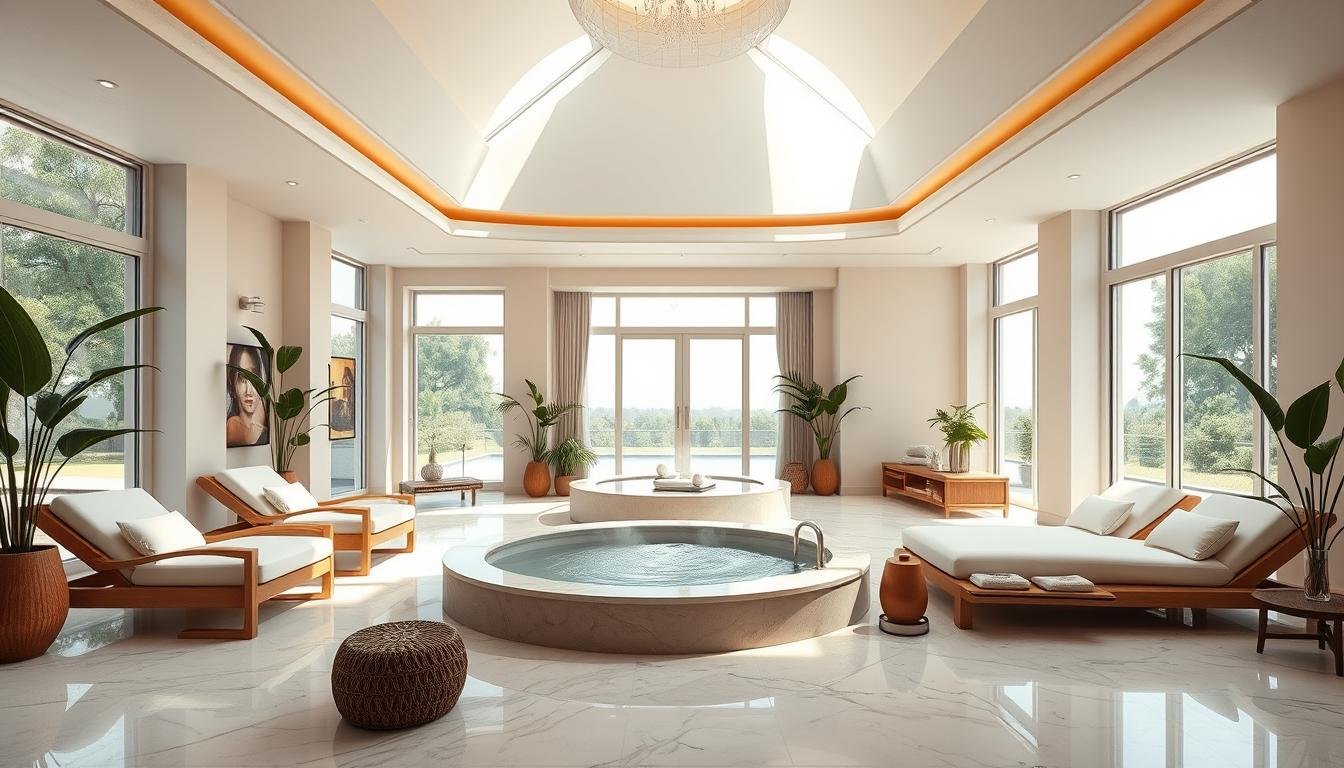
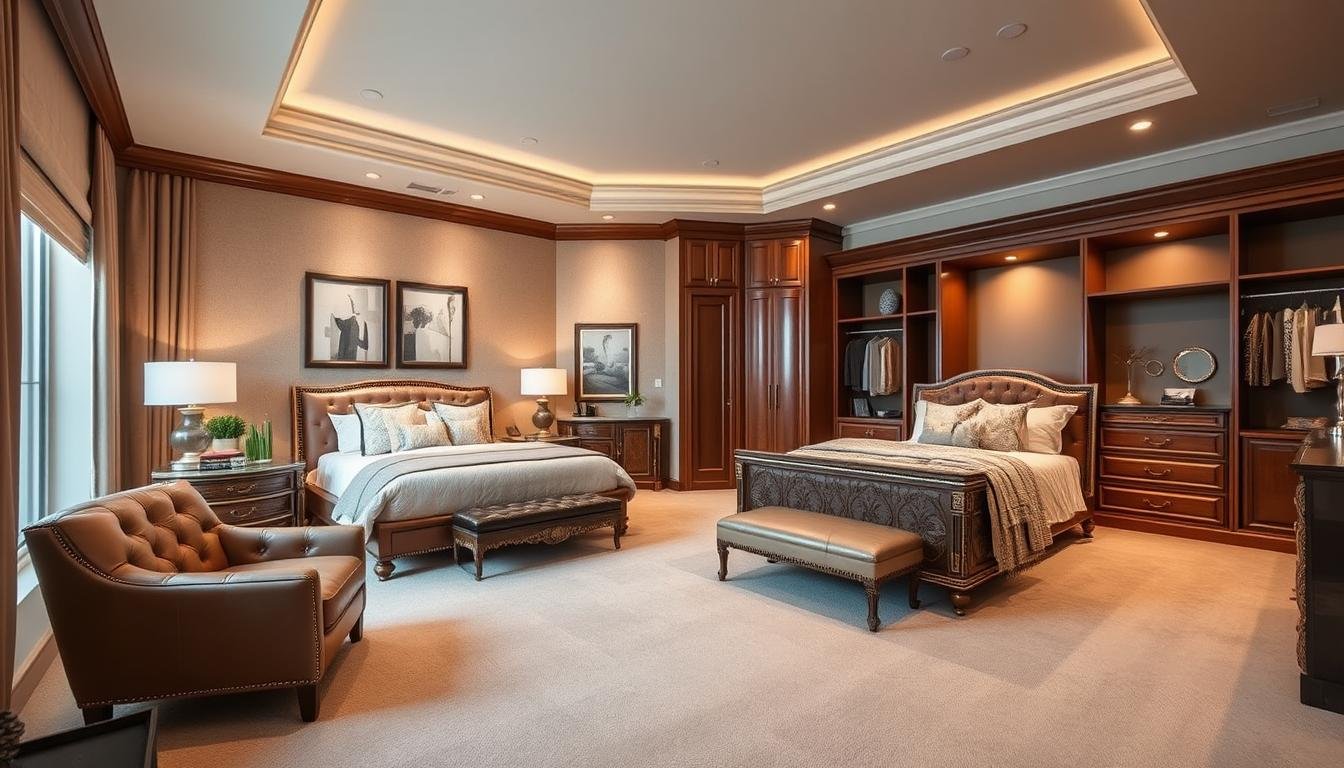
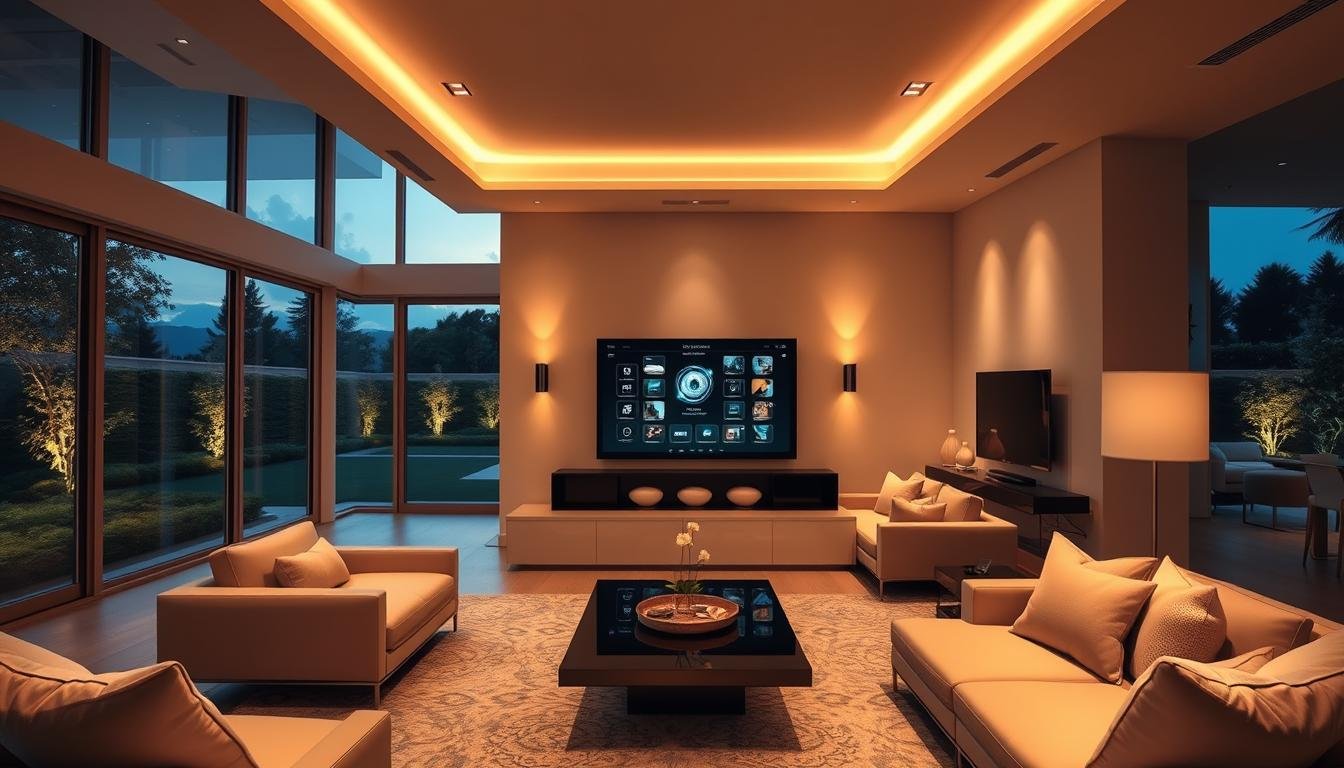
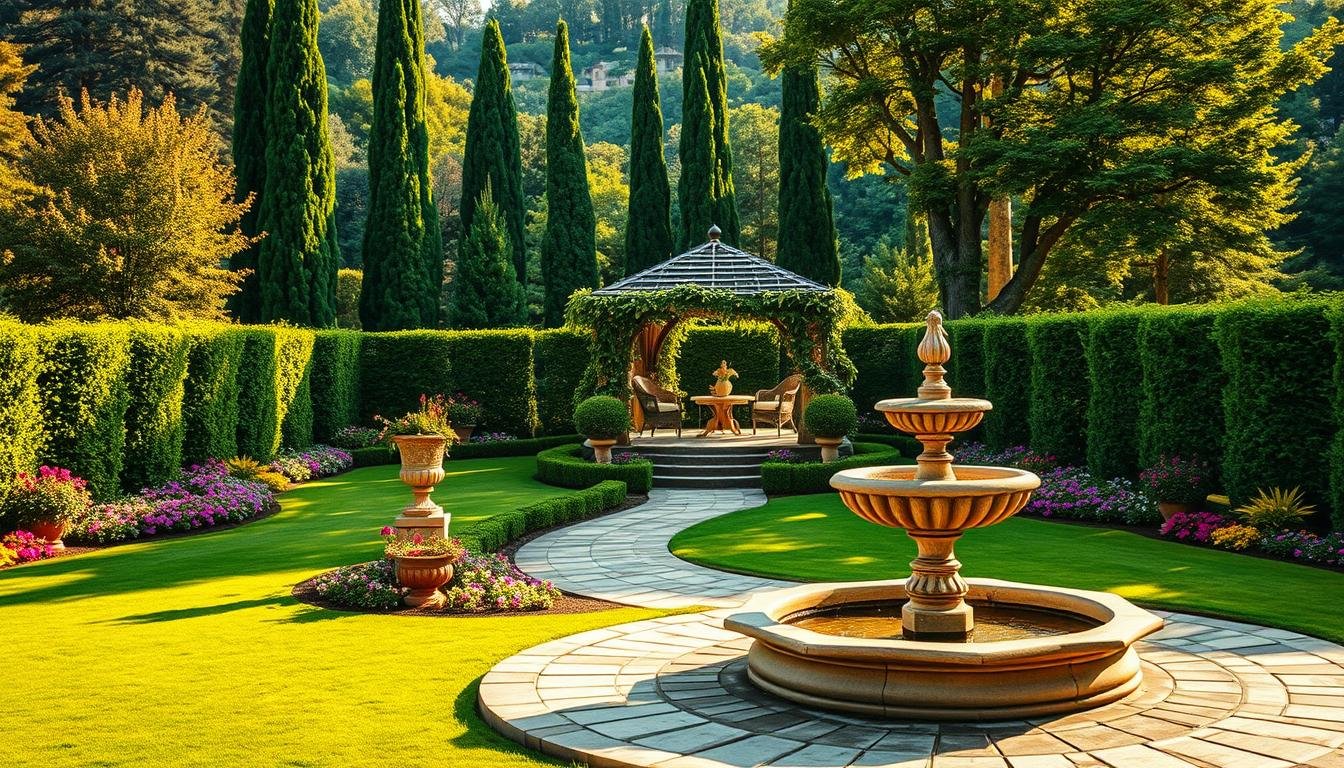
What if a high-end home could feel indulgent and still protect the environment around it?
We open this article with a clear promise: we will show how a modern home blends refined materials and smart systems to uplift daily life. Our approach highlights passive cooling, solar power, rainwater capture, and low-maintenance finishes like lime plaster and stone.
Across our featured projects, we connect thoughtful architecture with real benefits — lower bills, better air quality, and lasting resale value. We explain how local materials such as compressed earth blocks, bamboo, and terracotta can create calm interiors that stay comfortable year-round.
Join us as we map practical upgrades and climate-smart tactics that make a house feel timeless and future-ready. In the sections ahead, we’ll unpack systems, materials, and examples you can adapt to your own home.
Why Sustainable Luxury Matters in India Today
A well-planned house can lower running costs while improving air and thermal comfort. We focus on moves that cut demand first, then add clean power and water systems to offset what remains.
Minimizing environmental impact without compromising comfort
We prioritize passive measures like natural ventilation, shading, and daylighting to stabilize temperatures and boost air quality. Simple steps reduce cooling loads and make the home calm and quiet.
Water-wise strategies such as rain capture and greywater reuse cut freshwater needs and raise resilience. These choices protect shared resources and improve daily life.
Lower utility bills through smart design and renewable energy
We show how a house can be designed minimize energy and then add solar energy to offset remaining demand. Efficient envelopes, LED lighting, and on-site renewables lower utility bills and grid dependence.
Greywater recycling and smart fixtures reduce water use and operating costs. Predictable running costs mean better financial planning and steady payback over time.
| Strategy | Primary Benefit | Typical Payback |
|---|---|---|
| Passive cooling (ventilation, shading) | Lower cooling loads; better air quality | Immediate |
| Solar energy panels | Lower utility costs; clean power | 4–8 years |
| Rainwater + greywater reuse | Reduced potable water use; resilience | 3–7 years |
| Non-toxic finishes & daylight | Improved comfort and health | Ongoing |
Hallmarks of Eco-Friendly Luxury Villas (Feature List for the Modern Homeowner)
We outline practical features that make an elegant house perform reliably and reduce operating costs. These choices focus on durable materials, smart systems, and simple construction details that pay back over time.
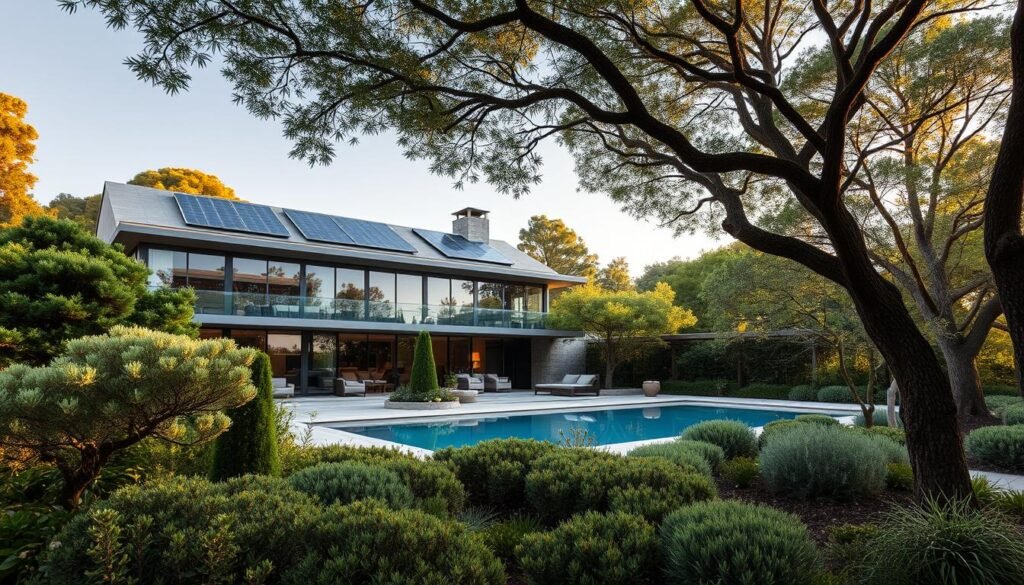
Core energy moves start with tightening the envelope and adding passive shading. Then we layer renewable energy: install solar panels, use solar power for hot water and appliances, and optimize controls for peak savings.
- Rainwater harvesting: sized storage, first-flush diverters, and filtration for reuse in toilets and gardens to cut freshwater use.
- Natural ventilation and insulation: mapped cross-ventilation paths, stack vents, and insulated roofs to stabilize temperatures year-round.
- Healthy interiors: low-VOC paints, lime plaster, solid-wood joinery, and indoor plants to improve air quality and comfort.
- Materials and landscaping: CSEB, bamboo, terracotta, native plantings, permeable paving, and greywater-fed kitchen gardens for resilience.
- Construction details: deep overhangs, ventilated roofs, shaded verandahs, and performance commissioning at handover.
| Feature | Primary Benefit | Typical Result |
|---|---|---|
| Layered energy strategy | Lower peak loads | Smaller solar array, faster payback |
| Rainwater harvesting + greywater | Reduced potable water use | Lower water bills; garden resilience |
| Biophilic touches & healthy finishes | Better indoor air quality | Improved comfort; lower maintenance |
Sustainable luxury villa design india: Inspiring Real-World Projects
Real homes across varied climates show that low-impact construction can be beautiful and practical. We profile five projects that use earth, timber, and local craft to make calm, efficient living.
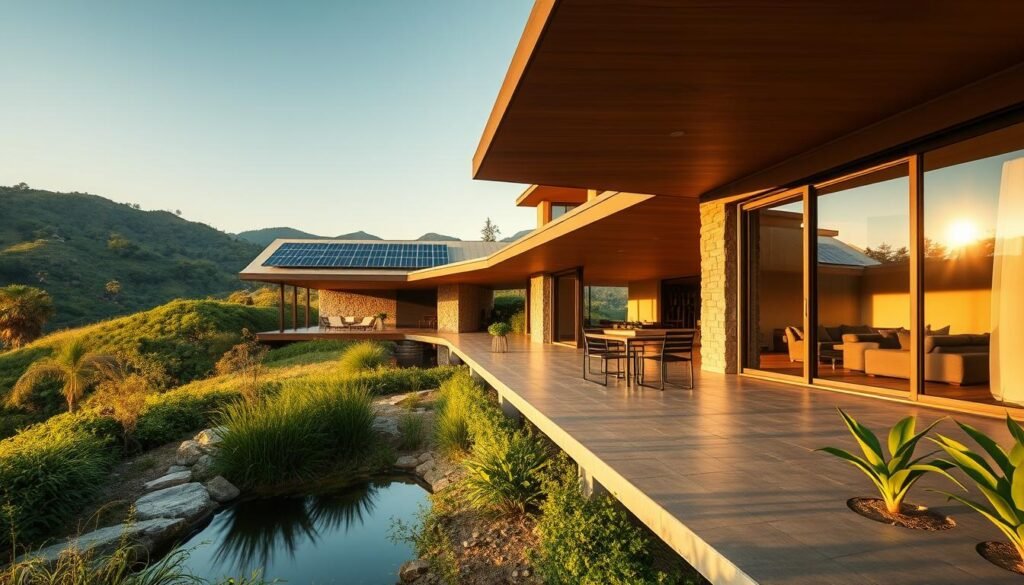
Raipur bungalow — MY MAATI
The Raipur project uses adobe brick walls made from mud, sand, rice husk, and cow dung. Exposed mud and wood with bamboo latticed ceilings celebrate locally sourced craft and keep interiors warm and breathable.
Coimbatore farmhouse — Earthscape Studio
This 1,450 sq ft home uses layers of mud and lime plasters to deliver natural cooling of 5–6°C. The cave-like form reduces the carbon footprint by avoiding heavy beams and reusing materials.
Shoolagiri Chuzhi House — Wallmakers
Wallmakers’ camouflage approach uses precast composite beams with PET bottles and channels laurie baker principles to build with local materials and restraint.
Leh riverside lodge — Field Architects
The lodge pairs adobe cavity walls, timber frames, and passive solar orientation. Hand-applied earthen plaster and dry-stone foundations make a resilient house for high altitudes.
Kerala’s Laurie Baker-inspired homes
Here, rat-trap bond, jali walls, and rainwater systems shape airflow and water savings. These mud houses show how craft and simple construction yield quiet, well-ventilated homes.
Across these projects we see a common thread: thoughtful materials and construction tuned to site, cutting transport emissions and supporting artisans. Each eco-friendly house proves that careful architecture can marry comfort with a smaller footprint.
Materials That Marry Opulence with Sustainability
Choosing the right materials gives a home its lasting comfort and character.
Mud, CSEB, and lime plaster for thermal mass and artisanal finishes
Mud and CSEB deliver strong thermal mass. They smooth daily temperature swings and reduce active cooling needs.
Lime plaster acts as a breathable skin. It balances humidity, supports better air quality, and develops a warm patina over time.
Bamboo and timber details for warmth and structural elegance
We use bamboo and timber for screens, joinery, and accents. These options give tactile warmth and biophilic comfort.
Stone, terracotta, and IPS for durable, low-maintenance finishes
Natural stone, terracotta tiles, and IPS floors stay cool underfoot and age gracefully. They require simple care and last for decades.
- Proper detailing improves insulation and limits thermal bridges.
- Compare embodied carbon to prioritize lower-carbon choices without losing aesthetic value.
- Construction tips: protected plinths, breathable paints, and reversible assemblies aid repair and longevity.
- Maintenance: gentle cleaners for lime, breathable sealers for stone and IPS, and periodic oiling for timber.
| Material | Primary Benefit | Maintenance |
|---|---|---|
| Mud / CSEB | High thermal mass; low embodied energy | Simple repairs; re-plaster as needed |
| Lime plaster | Breathable finish; better indoor humidity | Gentle cleaning; occasional lime wash |
| Bamboo & timber | Warmth; biophilic appeal; lightweight structure | Oiling; protect from moisture |
| Stone, terracotta, IPS | Durable, low-maintenance, cool surfaces | Breathable sealers; routine cleaning |
Climate-Responsive Design Strategies Across India
Smart responses to sun, wind, and rain make homes resilient and pleasant without heavy engineering.
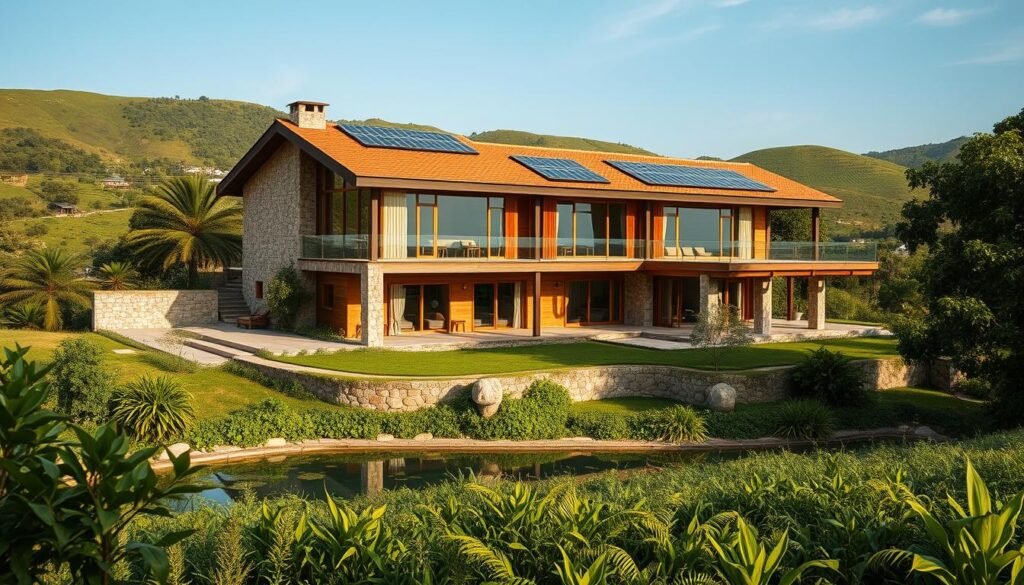
Hot-humid coasts: deep shading, cross-ventilation, and reflective roofs
We use deep overhangs and shaded courtyards to cut direct heat. Cross-breezes and natural ventilation keep interiors airy and reduce fan loads.
High-albedo roofs reflect solar gains and lower roof temperatures. We also recommend rainwater harvesting near coasts to protect gardens and local nature.
Hot-dry interiors: thermal mass, courtyards, and night purging
Thick walls and shaded courts store heat by day and release it at night. Night purging flushes stored warmth so rooms start cool each morning.
This approach needs careful insulation zoning and simple controls to work with local construction skills.
Cold deserts: passive solar, compact massing, and superior insulation
In high plateaus we orient living spaces for winter sun and cluster volumes for wind protection. Adobe cavity walls with repurposed insulation show how low-carbon choices can improve comfort and reduce embodied carbon.
Field-tested architecture pairs timber frames and cisterns; rainwater harvesting remains a valuable resource across these regions.
- Blend vernacular principles—shade, mass, airflow—into a practical model for each site.
- Right-size PV, cisterns, and storage to match seasonal patterns and save resources.
- Use native planting, bioswales, and permeable paths to cool the immediate environment and support nature.
| Climate | Key Moves | Primary Benefit | Construction Notes |
|---|---|---|---|
| Hot-humid coast | Shading, cross-ventilation, reflective roofs | Lower peak temps; airy interiors | Simple roof coatings; louvered vents |
| Hot-dry interior | Thermal mass, shaded courtyards, night purging | Cooler daytime temps | Thick walls; insulated openings |
| Cold desert/high plateau | Passive solar, compact massing, high insulation | Reduced heating need; durable comfort | South-facing glazing; sealed envelopes |
| All zones | Rainwater harvesting, native planting, right-sized systems | Water resilience; lower lifecycle carbon | Match cistern size to seasonal rainfall |
Conclusion
We close with a simple vision: create homes that perform well, feel restful, and reduce environmental impact. Start by cutting demand — tighten the envelope, add shading, and use natural ventilation.
Next, layer renewable energy with solar panels and smart systems. Pair rainwater harvesting and soil-friendly landscaping to lower utility bills and boost resilience.
Choose locally sourced materials — mud, lime, and timber — to cut carbon footprint and support craftsmen. Learn from architects like Laurie Baker and regional projects that prove this model works.
Set measurable goals, follow a phased plan (audit, retrofit, extend), and involve community. When we build with care, an eco-friendly house serves people and the world.